


The Smart Property Manager’s Guide to Evaluating Elevator Maintenance Plans for Safety, Transparency, and Long‑Term Value
Most elevator maintenance plans look the same on paper, but the details can hide big risks for safety and cost. If you’re a property manager or building owner, you need to know how to spot the red flags that lead to downtime and surprise expenses. This guide breaks down what to look for in elevator maintenance plans so you can choose a transparent, non-proprietary partner that keeps your elevators safe and running longer. Evaluating Elevator Maintenance Plans
Let's start by understanding how to choose the right elevator maintenance plans and ensure you get the most value. It's more than just routine checks; it's about long-term safety and cost-effectiveness.
Importance of Safety and Compliance
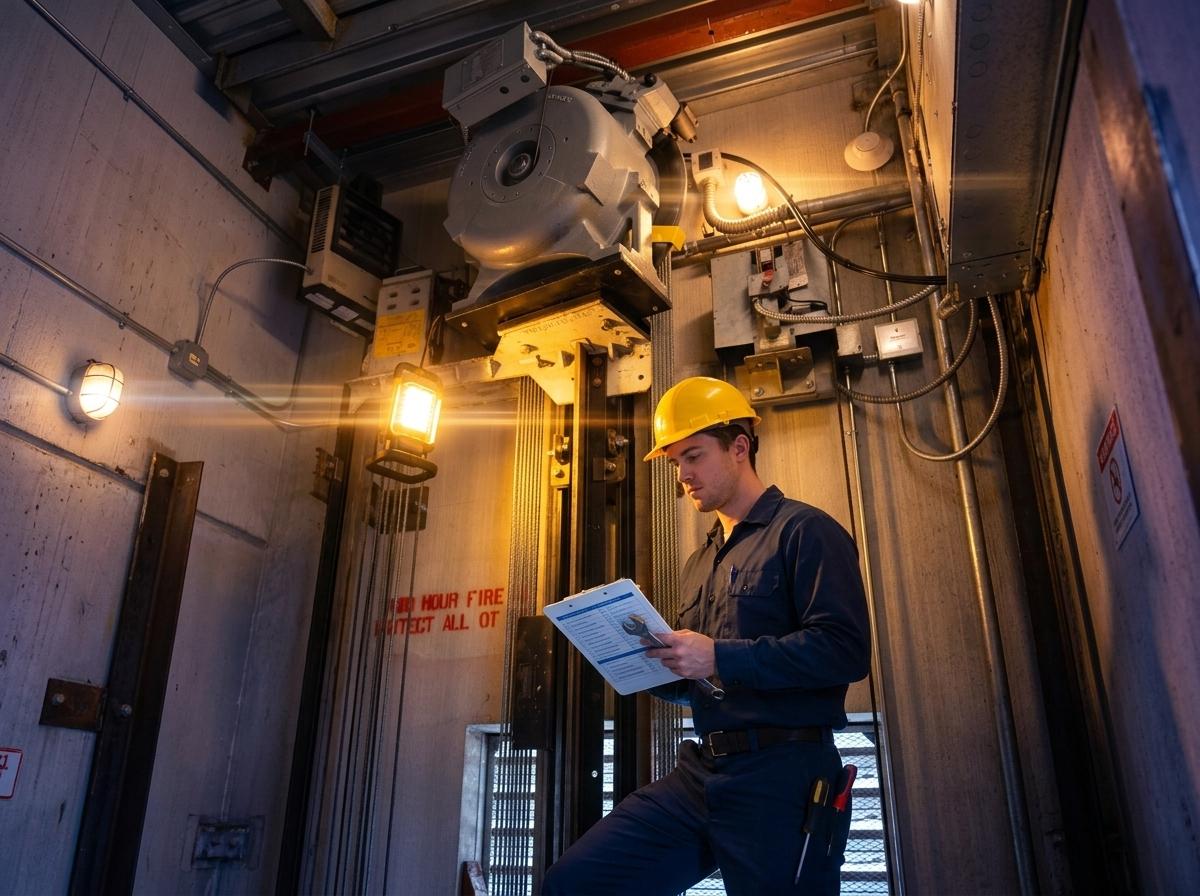
Safety should never be compromised. Elevators must adhere to strict regulations, like ASME A17.1 compliance, to ensure passenger safety and system reliability. Regular checks can prevent accidents and costly legal issues. When evaluating a maintenance plan, verify if it includes comprehensive safety inspections. Look for plans that cover components like brakes, emergency systems, and door operations. These elements are crucial for ensuring that your elevator operates safely and within legal standards. If you're curious about how maintenance impacts safety and compliance, reach out to our office to speak with a sales account manager.
Transparency in Service Contracts
Transparency in service contracts is essential. You need to know exactly what services are included and at what cost. Avoid contracts with vague terms like "at the service provider's discretion." Those can lead to unexpected charges. A clear contract will outline scheduled maintenance, emergency repair response times, and any additional fees. This transparency ensures you aren't blindsided by hidden costs and helps build trust with your service provider.
Long-Term Value Considerations
Long-term value is achieved through consistent, high-quality service that extends your elevator's lifespan. Consider plans that offer a balanced approach, combining preventive measures with prompt repairs. This strategy can save money in the long run by reducing the need for costly overhauls. Evaluating the long-term benefits of a maintenance plan also involves looking at the provider's reputation and customer feedback. A reliable partner will be committed to keeping your elevators in top shape, ensuring your investment is protected.
Key Components of a Maintenance Checklist
A well-rounded maintenance checklist is vital. It outlines the specific tasks needed to keep your elevators running smoothly, ensuring you don't miss critical elements.
Understanding Preventative Maintenance
Preventative elevator maintenance is the backbone of any effective plan. It involves regular inspections and servicing to catch potential issues early. This proactive approach helps avoid expensive repairs and reduces downtime. A good plan will include monthly checks on all major components, such as cables, sheaves, and motors. This prevents small issues from developing into major problems. You should also receive detailed reports on each maintenance visit, showing what was done and any potential concerns.
Comparing Full Maintenance vs Oil and Grease
Choosing between full maintenance and oil and grease plans can be confusing. Full maintenance covers all parts and labor for repairs, while oil and grease focus more on lubrication and basic upkeep. Full maintenance offers more comprehensive coverage and peace of mind, especially for older systems that might need more attention. Oil and grease plans can be cheaper but might lead to higher costs if unexpected repairs pop up. Consider your elevator's age and usage when deciding which plan suits you best.
Importance of Transparent Reporting
Transparent reporting is key to understanding your elevator's condition. Reports should clearly state what maintenance was performed and highlight any issues found. This information helps you make informed decisions about necessary repairs or upgrades. With accurate data, you can track trends over time and address recurring problems before they escalate. Insist on reports that are easy to understand and include photos or diagrams when necessary.
Selecting the Right Elevator Service Partner
Choosing the right partner is crucial for maintaining your elevators efficiently. A good service provider will prioritize your needs and offer flexible solutions.
Benefits of Non-Proprietary Systems
Non-proprietary systems provide flexibility and cost savings by allowing you to use parts from multiple manufacturers. This freedom means you aren't locked into a single supplier, enabling you to choose the best components for your elevators. It also simplifies the repair process, as you can source parts more easily. These systems often come with lower maintenance costs, as you can shop around for competitive pricing on parts and service. For a deeper dive into the benefits, this article provides valuable insights.
Evaluating Repair Response Time
Quick repair response time is crucial for minimizing downtime. You need a partner that can act swiftly when issues arise. Ideally, your service provider should offer guaranteed response times and have a team ready to address emergencies. This ensures that your elevators are back in service as soon as possible, reducing inconvenience for tenants and visitors. When evaluating potential partners, ask about their average response times and how they prioritize service calls.
Remote Monitoring and Digital Reports
Remote monitoring and digital reports can revolutionize your maintenance strategy. By utilizing technology, you can track elevator performance in real time and receive alerts for potential issues. This proactive approach allows for quicker interventions and more efficient maintenance scheduling. Digital reports provide a comprehensive view of your elevator's status, making it easier to identify patterns and predict future maintenance needs. This technology ensures you stay informed and in control of your elevator's health. For more on calculating the ROI of elevator maintenance, explore this resource.
In summary, selecting a transparent, non-proprietary service partner committed to safety and long-term value will ensure your elevators remain reliable and efficient. By focusing on detailed maintenance plans, transparent contracts, and innovative technology, you can maximize your investment and enhance safety.
Comments